
Growing up, one of my happiest times as a child was having breakfast with my grandparents at their home on the picturesque shoreline of Miyazaki. Breakfast consisted of bowls of rice and miso soup served in tiny, delicate bowls, similar to teacups, with a thin piece of grilled fish marinated in soy sauce and mirin presented beautifully on a small plate. On the table there were small mixing bowls and plates so that everyone could share.
While the quantity of each serving was very small, the range of food available made it seem as if there was an unlimited supply. These visits over the summers in Japan taught me a lesson that I would not have learned in a public school in the United States: moderation does not require discipline to maintain.
The portion size of foods in the United States has increased significantly since the 1970s.
For example, a 2 oz. bagel has been replaced by a 4 oz. bagel, while a cheeseburger that used to be 5.9 oz. has grown to 7.3 oz., and the amount of spaghetti and meatballs served in restaurants has increased from approximately half a pound to almost a full pound.
Restaurant ice cream labels have changed from 4 servings per pint to 3, and the recommended serving size has been increased from ½ cup to ⅔ cup. This issue is not about individual choices — it is systemic in nature.
There is a large economic impact to the expansion of portion sizes. According to a 2014 study by the McKinsey Global Institute, global obesity is costing the global economy around $2 trillion per year, comparable to the effects of war and smoking. The economic toll on the healthcare industry alone in the United States was estimated at $190 billion annually.
The advice given is simple: “Eat less, count the calories, be more disciplined.”
This recommendation overlooks the fact that our brains react in a specific way to the size of a portion. When we perceive a serving as small, we tend to overcompensate by eating additional food. The fear of scarcity drives irrational behavior.
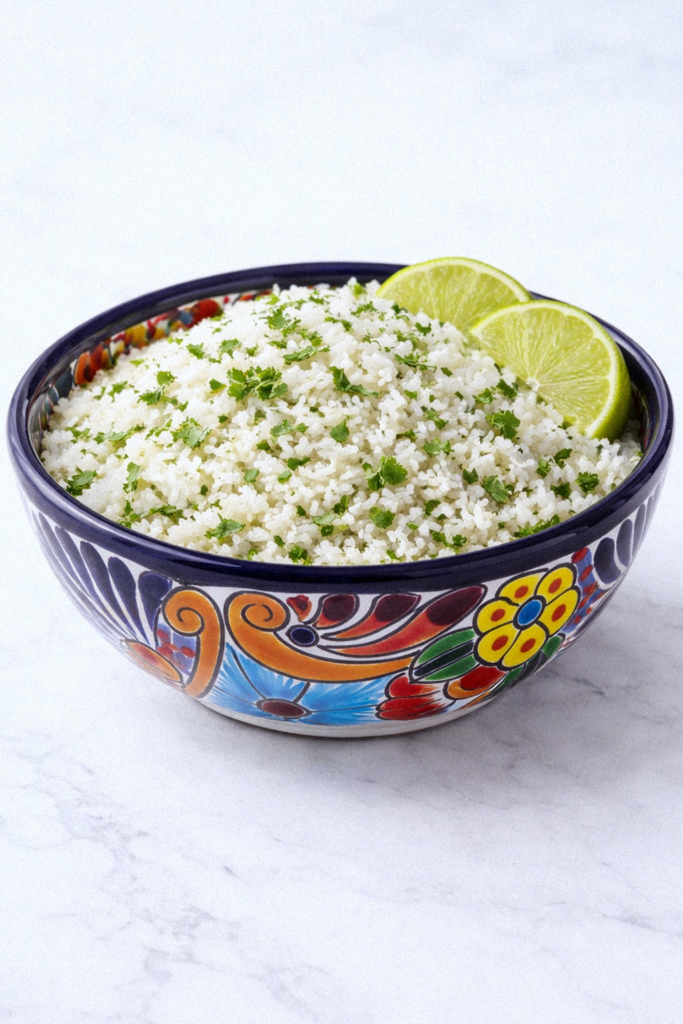
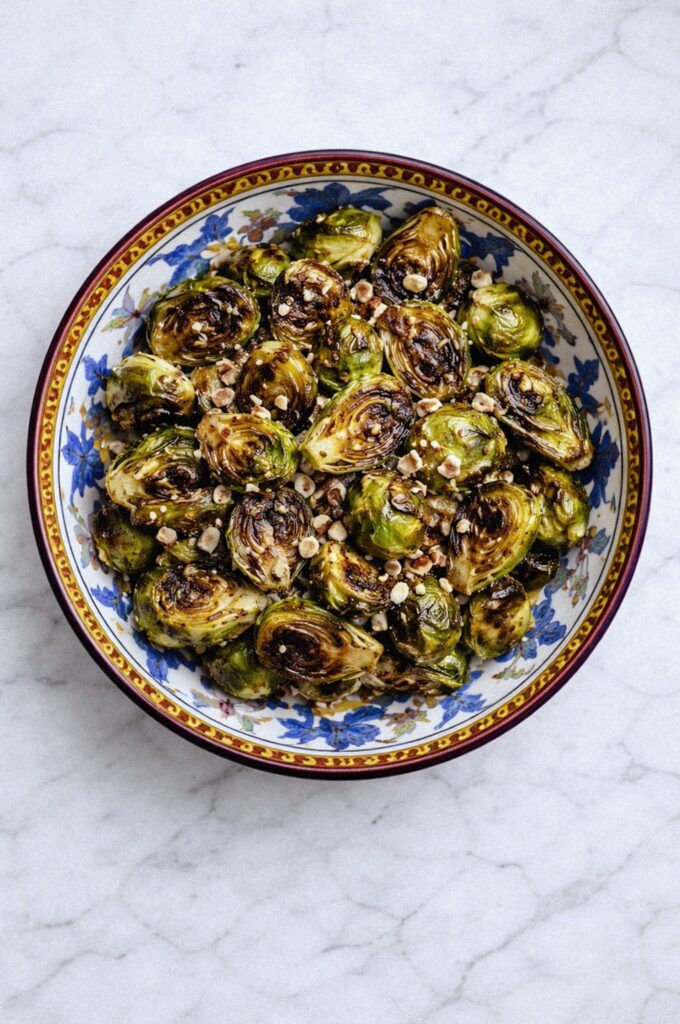
In contrast to the scarcity mentality, Japanese meal tradition has created an abundance mentality. Ichiju-sansai (one soup, three sides) meal structure creates a natural way to limit portions without feeling restricted. The rice and miso soup are presented in small individual bowls, while the side dishes are placed in the center of the table on small shared plates.
This approach results in a table that appears fuller while individual portions remain modest. It also creates a variety of visual stimuli via contrasting colors, textures, temperatures, and flavors, all of which keep the brain engaged and maintain interest in what is being consumed. The variety of food is what creates interest in the experience rather than the quantity, and curiosity fills the void of “more.”
Meal sharing also provides increased opportunity for social bonding and creates a slower rate of eating than would otherwise occur with individual servings. When we have people over for dinner, instead of increasing the amount of one dish we create more dishes and increase the variety of what people can enjoy rather than increasing the volume.
So if I were cooking for my family of three, I would typically prepare three dishes. If I were to invite two friends over for dinner, I might prepare five or six. Increasing the number of dishes visually expands the table without necessarily increasing any individual’s serving size.
Many people think this sounds like an excessive amount of work. It is not complicated, though if you want to implement this design long-term, it must work for real weeknights, not just as a special occasion.
In my house, we have a consistent rhythm.
We cook one or two dishes fresh each week and save the remaining portions for later. The rest may come from other meals we have prepared, or we sometimes take a shortcut and buy something from the grocery store.
The bento box is the perfect example of all this. It appears to be a very small container, but once you open it, it becomes a vibrant explosion of color, texture, and aroma. The box has a limited size but visually appears full to the top and very generous. One side has rice or noodles as a base, while the other has a variety of small items placed side by side, creating a mosaic effect.
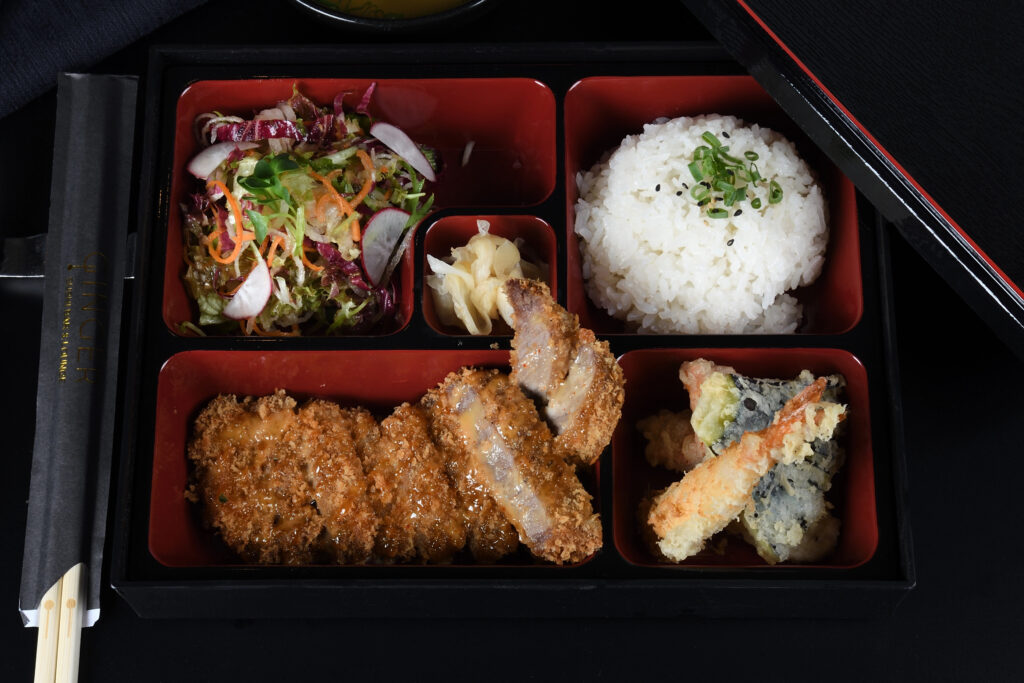
Vegetables used as separators provide visual separation between flavors while adding more contrast. The box imposes a portion for each dish while also providing a feeling of abundance through variety.
You don’t need to be an expert in Japanese food to use these ideas. These concepts can easily be applied to any cuisine.
Use containers of smaller portion sizes and fill them completely. Share your meal with others and engage in conversation while eating. Create a communal spread rather than a meal with multiple servings of a single item. If you are serving individual portions, use a smaller plate and apply the bento principle — creating an abundant, colorful plate with a contrast of flavors.
There is no need for a food scale or formula. You can change the way you plan and prepare meals to create a feeling of fullness without increasing actual portions. In this way, moderation will not be perceived as deprivation — it simply becomes the standard way of serving food.
What aspect of Japanese meal design should be the next part to break down? Bowls, bento, or all of the sides? Please leave your response in the comments. If you have tried anything from this post, I would love to hear about it!