
Plenty of budget cookbooks exist, but it’s not like one works for everyone. Budgets vary, tastes differ, and what you can actually buy at your store is completely different from what someone else has access to.
Here’s what matters to me when I need a book to help me save money:
Flexibility: I want blueprints, scrap-using instructions, recipes built for substitutions. I could improvise but I don’t because I’m cautious and kind of lazy. Give me a loose framework with room to play around and use what I’ve got. I’m always hunting for these kinds of roadmaps.
Ingredient overlap: The recipes should use stuff I already have or can get easily and affordably. When money’s tight I’m not tracking down specialty items or meat cuts I don’t know what to do with. And if I constantly have some leftover sitting around, I want recipes that use it. For me that’s celery, carrots, bread crusts, tortilla chip crumbs.
Ingredients I can actually afford: Some ingredients make me flip the page immediately when I’m broke. I’ve been in situations where red bell peppers were off the table, and don’t even mention Manchego or saffron. Green peppers, mild cheddar, and paprika or we’re done here. If cheap spaghetti is available but not ziti, I skip the ziti recipes. Too many out-of-reach ingredients in a book and I’ll avoid it entirely.
Taste: Obvious but critical. A budget book is worthless if your family won’t eat from it. A book heavy on beans and rice would cost me more because I’d be throwing out beans and rice my kids refuse to touch and making a second dinner. Same thing goes the other way – if you spend a lot on frozen pizza or yogurt or Rao’s marinara (which costs what royalty pays) and you find a book with tons of ways to make those things at home sustainably, that’s a good book for you.
Time: Some books are great for your budget but completely impossible time-wise. Time and cost are a tradeoff. Homemade all-butter puff pastry is probably cheaper, but making it when you’re alone with a crawling baby or working 7 am to 7 pm is idiotic. Sometimes you lack both time and money. You need cheap and easy, which probably means less scratch cooking. This might involve eating humble pie as you start relying on ingredients you previously avoided, maybe even vocally avoided. Or it could involve righteous anger at food media’s constant trashing of something that’s legitimately made feeding your family possible. Both changes are positive long-term, so push through.
With all that in mind, here are my personal favorites for tightening the budget. These have all earned permanent spots in my collection over several years. No particular order.
1. Ready, Set, Cook by Dawn Perry
I had my library buy this four years ago. Then I checked it out so often I bought my own copy. That’s how much I liked it.
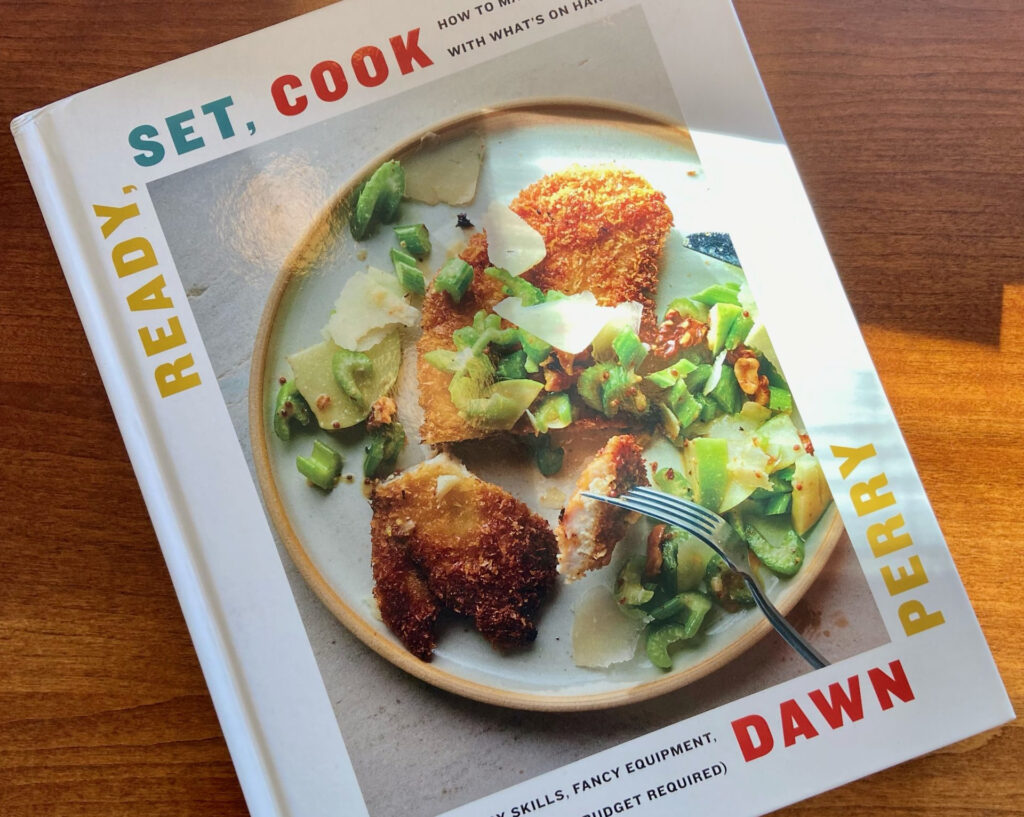
Three parts: What to Buy, What to Cook, What to Make. I’ve relied most heavily on What to Make, which breaks down into In the Cupboard, In the Fridge, In the Freezer.
This section has excellent food prep ideas, freezer staple recipes, several scrap-using options, tons of flexibility. Homemade spice blends, all kinds of dressings and sauces. Savory ones like a marinara I keep on hand, plus a chocolate sauce I’ve made dozens of times. There’s a freezer pie crust easy enough for the perpetually pie-crust challenged. That’s me.
What to Cook has several recipes for using the staples from the previous chapter, plus many more adaptable recipes. Years ago, with pie dough in my freezer and pre-cooked vegetables in the fridge per Dawn’s methods, I made super easy veggie galettes regularly. Very quick, very good, even my young toddler ate them. This mostly ended when my kid discovered dining autonomy around age two, but it was great while it lasted.
Dawn uses a fairly small range of cheap staples to make varied meals, snacks, and pantry items. She also gives ingredient option ranges, making Ready, Set, Cook helpful for cooking based on what’s on sale or what needs using up in your fridge immediately.
This book is incredibly useful and well thought out. I’ve turned to it many times.
2. Meal Prep Magic by Catherine McCord
I follow absolutely none of the organizational ideas in this book but the recipes are very useful. Like Dawn Perry’s book, Meal Prep Magic is very adaptable and makes good use of cheap staples.
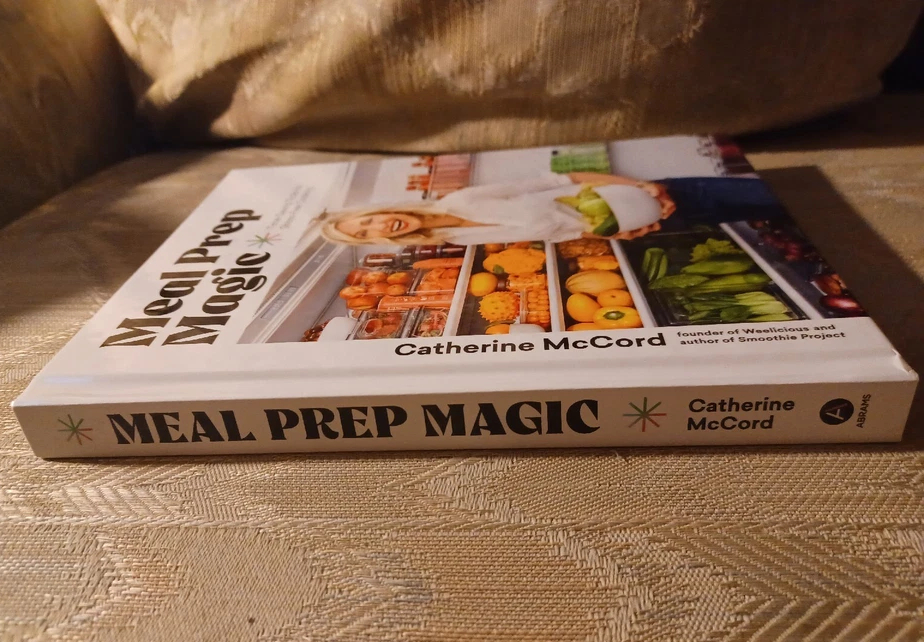
The organization is confusing because it’s broken down by storage area and ingredient rather than meal type. Three main chapters: Refrigerator, Freezer, Pantry. Each subdivided by ingredient – Frozen Vegetables, Frozen Fruits, Frozen Seafood.
This is extraordinarily unhelpful when you can’t find Stovetop Broccoli Mac and Cheese (filed under Milk, not Pasta). But it’s great because all these sub-categories are pretty cheap staples Catherine builds recipes around. If you get over the organizational hurdle, the payoff is there. Plus Catherine provides storage and make-ahead instructions, leftover repurposing ideas, lots of accommodating recipes.
We’re on repeat with the Overnight Oats and Chia Pudding variations. Pull-Apart Egg Sandwiches are a house favorite. I’ve had success with Crispy Avocado Tacos, Hand Pies, Blender Banana Breakfast Loaf, Cheesy Brown Rice Cakes, Blistered Cherry Tomato and Gooey Mozzarella Spaghetti, Crispy Artichoke Hearts. One big fail with the Ricotta Gnocchi – actually unpalatable – but that’s the only misstep so far.
Catherine McCord created the Weelicious website back in the day, so her original thing was kid food. This book definitely leans family friendly but it’s not kid-centric. Solid book for anyone needing creative uses of cheap staples in any size household.
3. Make the Bread, Buy the Butter by Jennifer Reese
Remember the time-versus-money balance? Jennifer Reese tackles that question throughout this entire book in an incredibly acerbic and articulate way. She assesses the cost and hassle of making versus buying several different foods, ranging from basic and easy to very complex. For the book, Jennifer went so far as to raise goats, chickens, and turkeys to see if it was worth raising and slaughtering them instead of buying from the store.
Each recipe offers a cost comparison of homemade versus store-bought, an assessment of the hassle involved, a declaration on whether to make or buy it. It’s also filled with hilarious essays I’ve probably read twenty times each.
This book really opened my eyes to how expensive store-bought vanilla is. I often consult it when I get the urge to cook something from scratch. If Jennifer deems it unworthy of the hassle, or the cost difference is pathetically low, I generally trust her and skip it. Just last weekend I tried Jennifer’s pigs in a blanket and they were excellent. I’ve owned this book for nearly fifteen years and I’ve always been happy to have it.
A few things: there are absolutely no pictures, and Jennifer doesn’t hold your hand. She writes in an old-school, pragmatic way. This book might not be for beginner cooks – though I did use it when starting out – but it’s excellent for anyone wading into more from-scratch cooking with a budget in mind.
Even if you don’t cook from it, it’s a fantastic read.
4. Bare Minimum Dinners by Jenna Helwig
I’ve actually written about this book before as a dinnertime lifesaver in a particularly hectic phase of life, but I didn’t focus on affordability. While this book certainly contains some pricier ingredients, most of it is easily accessible and cheap. On top of that, Jenna’s minimalist approach to ingredients really keeps spending in check.
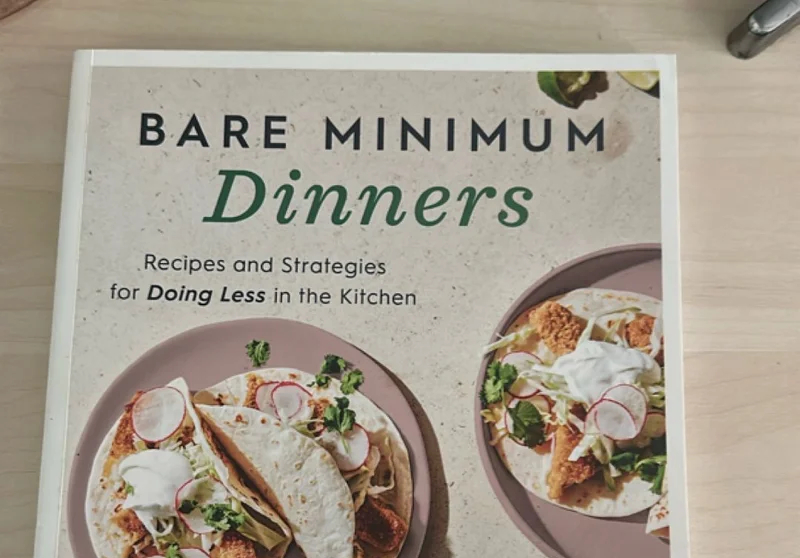
I lived on this book after both my kids were born. If you need something quick and easy that incorporates quality store-bought options, this is it. Jenna has given me many of my favorite cheap recipes: Fish Stick Tacos, Skillet Harissa Beef and Cabbage, Turkey Enchilada Bowls, Black Bean Burgers, Shortcut Salmon Burgers, Chicken Enchilada Casserole, Apple-Cheddar Dutch Baby, Baked Rigatoni (make your own crème fraîche if needed, it’s easy), BBQ Pork Burgers, Any Onion Frittata, Mixed Grill, Eat with Everything Slaw, Peels-On Cumin Roasted Carrots, Cheesy Cauliflower Rice, Quick Cukes.
That’s a lot because I’m literally always cooking from this book. If cooking feels like too much right now or ever, you might want to get your hands on a copy.
5. Simply Julia by Julia Turshen
Julia Turshen writes great books and I think they’re actually all budget-minded because of her consistent openness to experimentation. But if I had to pick one right now for this list, it would be Simply Julia. I turn to several recipes in this book when I’m cutting costs.
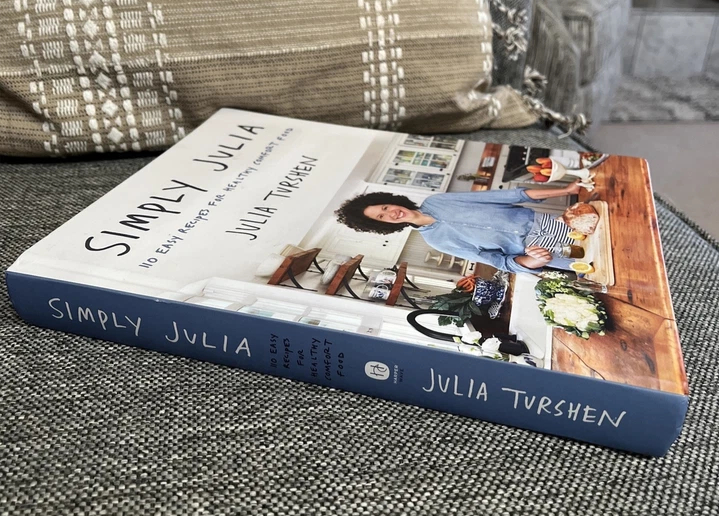
Julia is incredibly skilled at sifting through all the pretension and superfluity that can pervade cookbooks. She breaks down food and eating in a way that seems authentically non-judgmental, and it comes through in the recipes. Nothing in Julia’s recipes feels geared toward clout or culinary grandstanding. If you’ve ever read a cookbook and felt alienated by its preachiness or pronouncements, I’d direct you toward Julia’s work.
Some of my favorite cheap recipes from this book that I’ve cooked many times and loved: Doug’s Tex-Mex Turkey Meatballs (for using up the bottom of tortilla chip bags), Mustardy Cracker Crumb Fish, Stewed Chickpeas with Peppers & Zucchinis, Spinach & Artichoke Chicken Bake, Sticky Chicken, Chicken Reuben Skillet, Green Chile Braised Chicken Thighs with Pinto Beans, Grace’s Green Beans with Garlic & Tomatoes, Sled Dog Muffins, Any Frozen Fruit & Cornmeal Cobbler.
The energy from this book, to me, is a kind aunt teaching you how to put food on the table but not be too serious about it.
6. Ten Dollar Dinners by Melissa d’Arabian
Finally, this one is actually a budget book, and it’s a good one. While you may know her only from Guy’s Grocery Games, Melissa was once a host of a Food Network show in her own right about cooking on the cheap. This book is a product of that original persona.
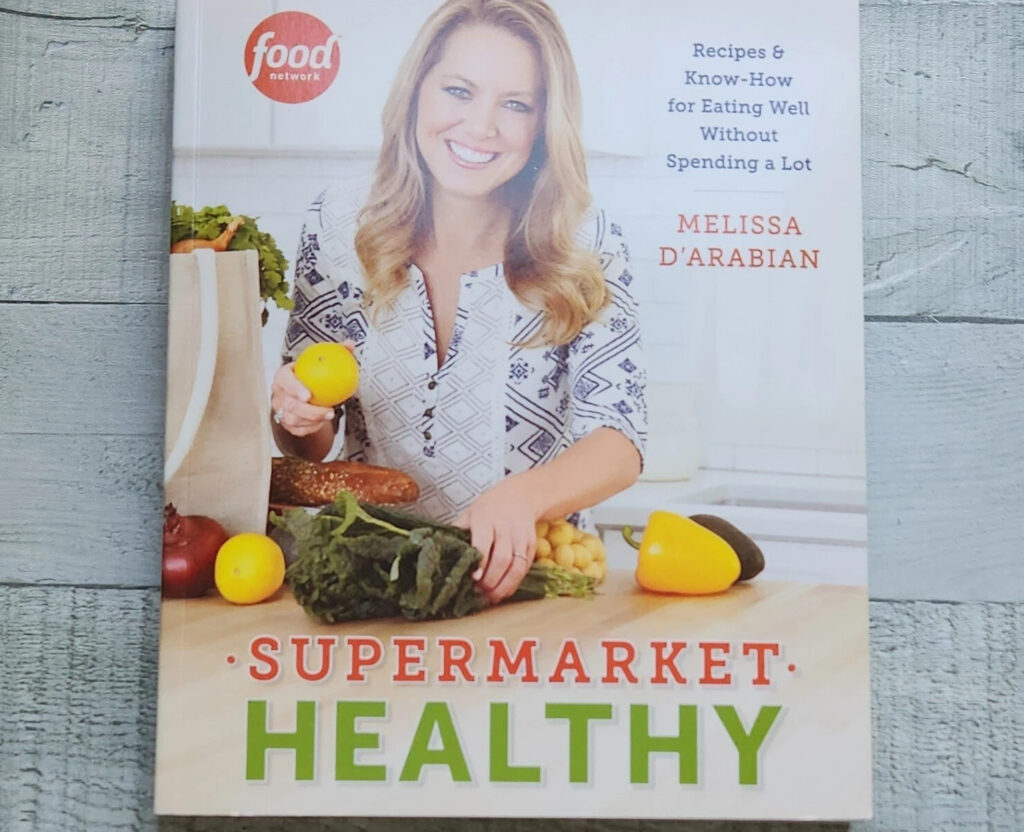
Each recipe gets a rating from one to five showing how comparatively expensive it is. There are also some roadmaps for using up scraps that I’ve used countless times, including Crisper Drawer Pasta and Creamy Any Veggie Soup.
While some cheap-cooking books can feel very developed, this one comes across as genuine. It conveys an understanding of what it truly means to want to cook well within the confines of a small budget. Melissa’s husband is French and she spent some time there, so there’s a heavy French inflection on the recipes. Melissa had four young children when she wrote this, so there’s some attention paid to family-friendly food. On the time/money continuum, the recipes in Ten Dollar Dinners definitely involve more effort to eke great flavor out of humble ingredients.
I’ve made the Zucchini Carpaccio, Salmon Cakes, Spiced Tilapia Tacos, Easy Coq au Vin, Slow Cooker Pork Shoulder, Black Bean Nacho Burgers, Sweet Zucchini Sauté, Provençal Tomatoes, Creamy Celery, Quick Sour Cream Biscuits, Rigatoni with No-Cook Tomato Sauce, Peanut Butter-Chocolate Lava Sundaes, Croque Madames – all with good success.
If you do have more time on your side, this book has been consistently reliable for years.
To conclude, we must ask the looming question: if you spend all your money on budget cookbooks, are you even saving money? All of these books have been out for at least a few years, so if you can’t find them at your library, you can probably find a cheap used copy.
Sometimes, when you have to forgo non-canned fish and non-ground beef, it can seem like a huge drag. But it can also lead to some awesome culinary discoveries. If you’re really in the thick of it, I hope this helps.