
The word “monosodium glutamate” seems scary — it sounds like it belongs on a hazmat label somewhere between sulfuric acid and “do not inhale.” N
ot exactly something that makes you want to sprinkle it on your soup. But that very name is responsible for scaring more people than the best debunked study ever has.
Here is why I do not believe MSG is “the enemy.”
MSG does NOT give you headaches, nor is there any solid scientific evidence to support the “Chinese restaurant syndrome” scare. Double-blind studies conducted over and over again have not been able to show a duplicated reaction to MSG when using normal concentrations, and furthermore, the FDA has classified MSG as generally recognized to be safe. The science is pretty clear on that.
So, we can say that MSG is “safe.” But being safe and being necessary is NOT the same thing.
Before I continue on with my beliefs, let me explain. Glutamate (the G in MSG) is one of the 20 amino acids that make up ALL proteins in your body. Your body MAKES glutamate itself through your body’s own cells.
Glutamate is found in your muscles as well as acting as a neurotransmitter in your brain and is important for virtually every system of your body to work properly. The amount of free glutamate in breast milk is six to nine times greater than the amount found in cow’s milk.
So glutamate is one of the VERY FIRST TASTES that we experience as infants. Your taste buds have specialized receptors for glutamate because for most of human history, to taste glutamate was to find protein; Protein is essential for life. Hence, the natural craving for savory, juicy, and incredibly satisfying proteins.
So how did this simple amino acid become available to consumers as a powder?
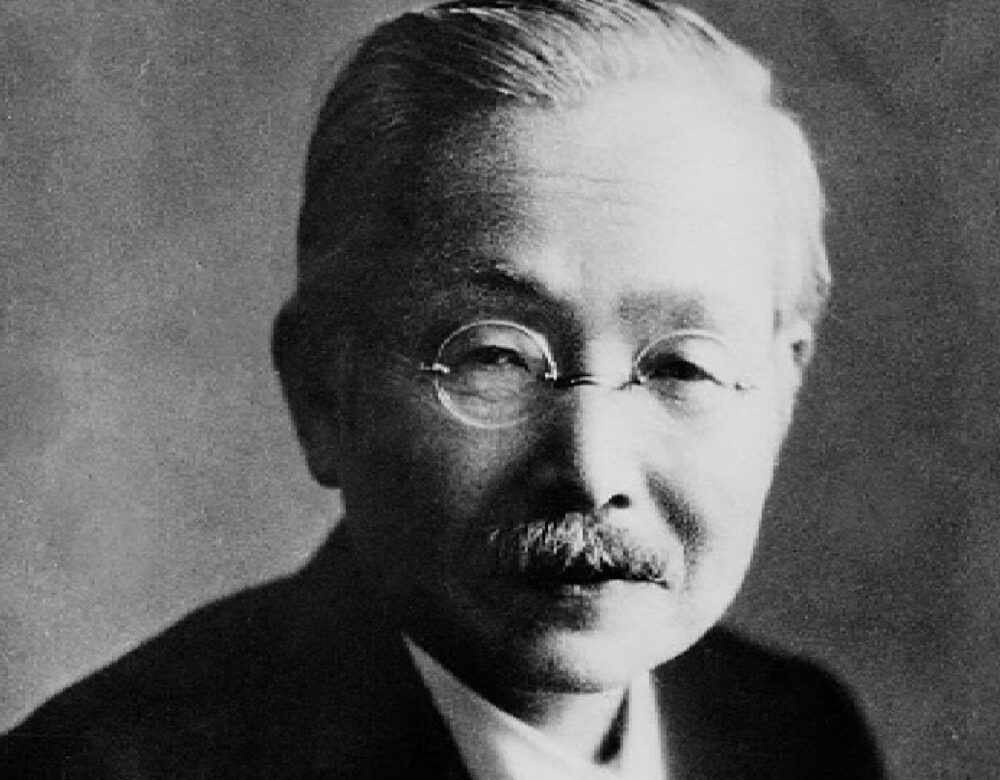
In 1908, Kikunae Ikeda was studying why dashi, a Japanese stock made from seaweed known as kombu, tasted so different from other stocks. While he did not think the kombu stock had the classic taste sensations of sweet, salty, sour, or bitter, he knew there was an additional taste in the kombu.
Kikunae isolated glutamic acid from kombu, tested its various salts, and discovered that the sodium form was the most palatable and easily crystallized, forming the basis of MSG as we know it today.
Kikunae called the taste “umami,” or “delicious” in Japanese.
Within a year of discovering umami, Kikunae had partnered with businessman Saburosuke Suzuki to market it under the name Ajinomoto, meaning “essence of taste,” and they had discovered a shortcut to the umami flavor that chefs had been developing for generations.
In Japan, fermentation has always been the basis of creating umami in food. Miso, soy sauce, and katsuobushi (dried fish flakes) are all traditionally made with months or sometimes years of microbial fermentation, which converts proteins into glutamate and hundreds of other flavor compounds.
The production of MSG is similar to this, except that it is much quicker. Instead of years of fermentation, MSG is produced by fermentation of either sugarcane or molasses, where the bacteria produce glutamic acid from the sugars and this glutamic acid is then crystallized to produce the final product.
Therefore, the process for producing MSG is exactly the same as that used to produce the full-fledged umami flavor components found in miso, soy sauce, and katsuobushi, except that MSG contains only the one specific umami molecule instead of the entire collection of compounds.
The use of one umami ingredient can create harmony but also creates imbalance. More than just increasing the level of umami, when using one umami ingredient you are also not experiencing a full development of flavours, as you are no longer the individual constructing the flavours.
To illustrate this point, take dashi broth.
Dashi is kelp that has been soaked in water, and with the addition of katsuobushi flakes adds a whole new depth of umami. Though dashi seems like a simple liquid, what occurs at the molecular level is a form of culinary alchemy.
Kombu creates the umami flavour glutamate, and katsuobushi — skipjack tuna — contains inosinate. Together these two umami ingredients create a multiplicative effect rather than just an additive one. What you now experience is 7 to 8 times more umami compared to what you would have experienced had you created the dashi with only one of these ingredients.
The combination of the smooth smokiness of skipjack tuna and the oceanic brine of kombu creates a “chord” which complements the other ingredients used in creating a dish made with dashi.
This same principle is applied throughout the pantry, as manifested through the different varieties of miso.
Miso has umami properties, but this umami can be applied in many different ways. The most common miso, referred to as “young white,” is the mildest and sweetest of them all. The more mature red miso is salty, fermented, and has a lasting flavour that develops through its lengthy fermentation.
Because miso has a thick texture it can cling to surfaces and caramelise excellently, which creates several additional uses beyond soups: use white miso on grilled corn, add it to goulash, whisk it into salad dressings. Each variety of miso contributes differently in terms of balancing sweetness, saltiness, and funkiness, while providing a complexity of flavours and aromas that no single molecule can achieve.
As a way to create umami flavours easily, I make an umami seasoning salt that I typically keep in my kitchen. This seasoning salt is simply ground kombu and dried shiitake mushrooms combined with sea salt.
The reason umami seasoning salt works is because, just like dashi, the glutamate from the kombu and the guanylate from the shiitake amplify one another. I use my umami seasoning salt any time I want a savoury flavour boost — from breakfast eggs to roasted veggies for dinner — it provides a similar umami flavour experience but with significantly more complexity and depth of flavour than using just one of the two ingredients.
I am not here to suggest that you throw away your MSG.
It is safe, effective, and I can understand why people use it. For me, the biggest joy of cooking has come through the understanding of how ingredients work together to form one complete dish, by learning when to apply fermented pastes and broths to achieve the desired flavours, and by building your own flavour instead of reaching for a shortcut. I can assure you, cooking is much more enjoyable this way.