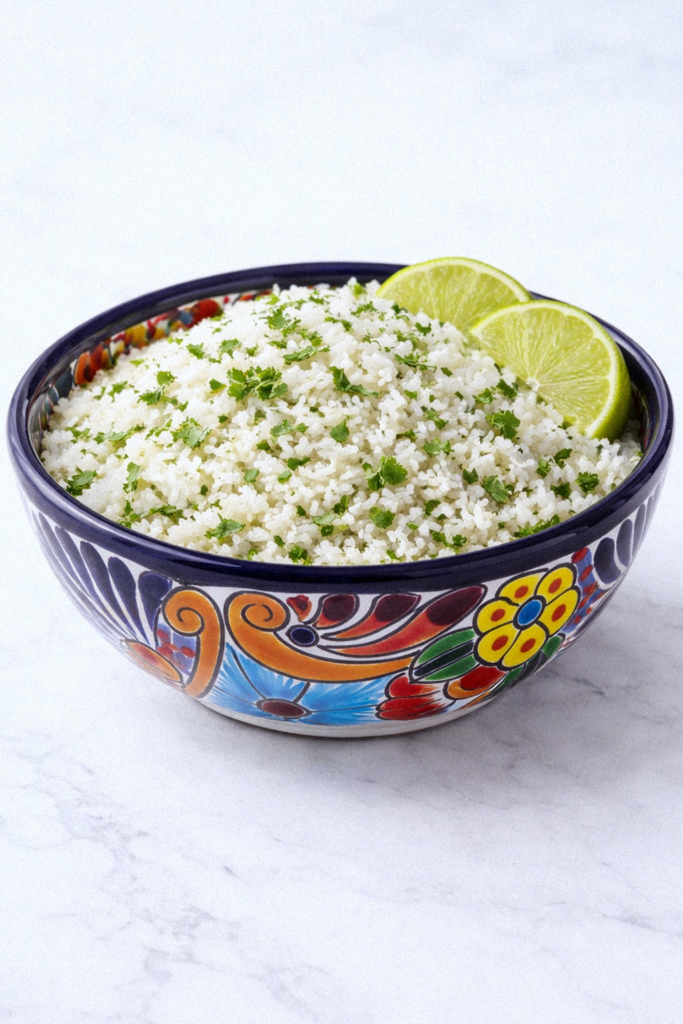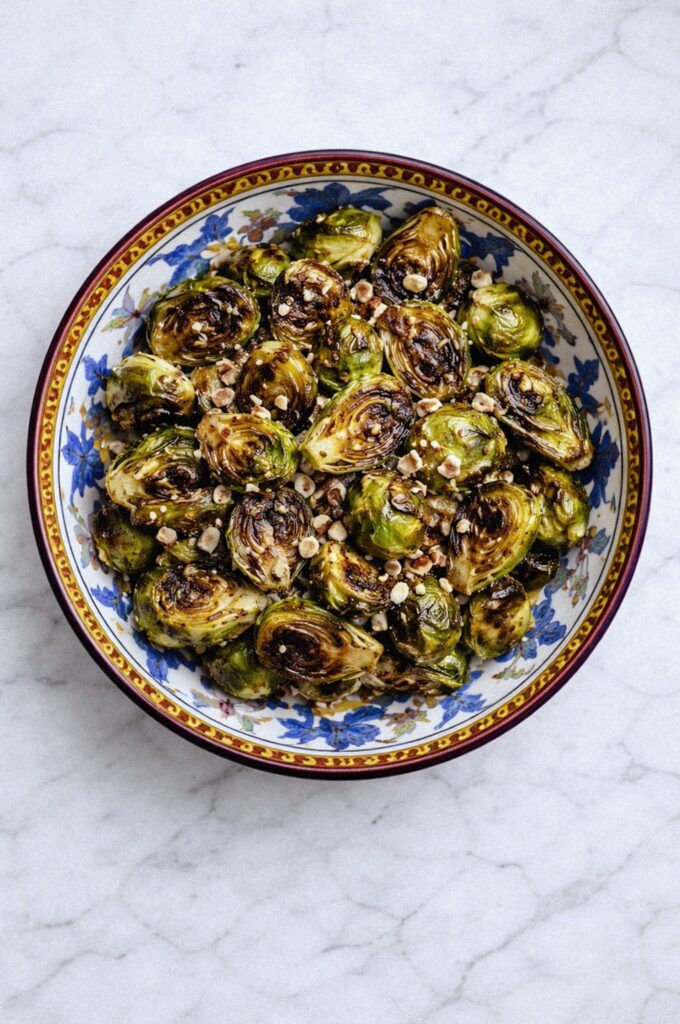

As a child growing up in the USA with a Japanese mother, the most used phrase in my mother’s kitchen was “mottainai.”
This word would come out when I was pouring too much ketchup on my plate, when I left out a full bowl of rice, or when I lost a food item in the refrigerator and it went bad. Each time the phrase came out, it was delivered in the same tone: not angry, but with a sorrowful energy.
There is no single word in English that encapsulates the idea behind “mottainai.”
The word “wasteful” does not carry the same emotional connotation associated with the feeling of loss for what has been wasted. There is also an expression of sorrow associated with this feeling, as if what has been lost has feelings of sadness as well.
My question is: why do we feel a sense of loss over food, and where does this feeling come from? Further, what does it mean to an entire society when they share this feeling of loss?
The answer can be found in how one views raw materials.
In the view of a butcher, an animal represents a guide for how to derive various cuts of meat such as sirloin and flank steaks, and how to develop stocks and soups from the bones and fat of that animal. This perspective is applied to every food item in Japan.
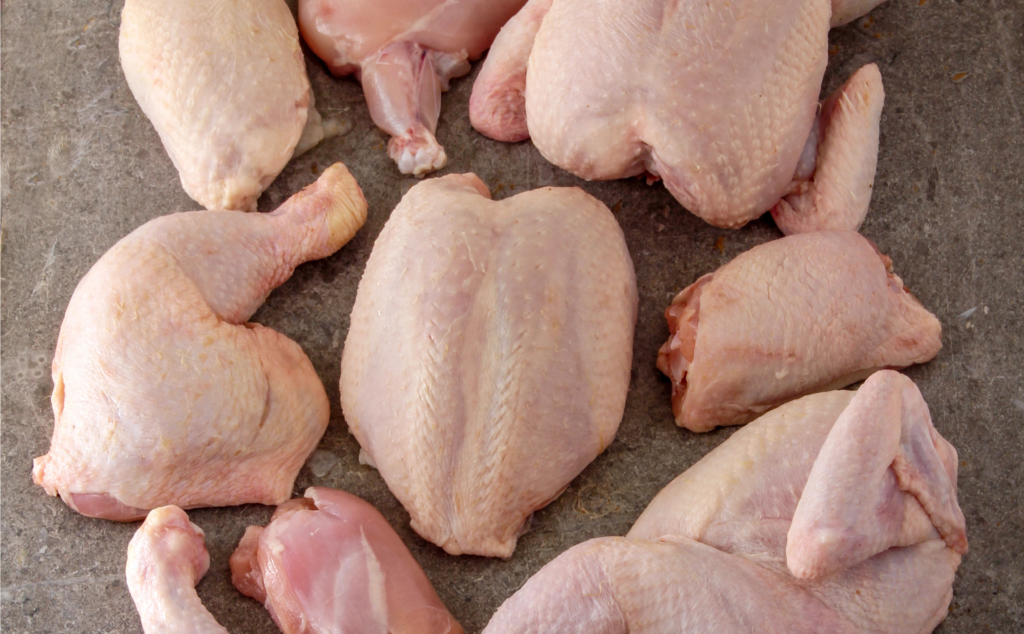
The chicken is broken down so that the breast and thighs can be prepared as separate entrées, while the carcass and wing tips are boiled into paitan broth for ramen.
Fish skin is fried until crispy; cartilaginous parts are skewered and grilled on yakitori sticks. Fish heads are salted and grilled, scales are deep-fried like potato chips, and fins are dried and toasted to enhance hot sake.
The same practice of being resourceful with food applies to vegetables as well.
The daikon radish, found in nearly every Japanese home, is a good example. In many other cultures, people tend to chop off the leaves and throw them away. However, radish greens are actually more nutritious than the radish roots — packed with beta-carotene, containing more calcium than kale, and more iron than spinach.
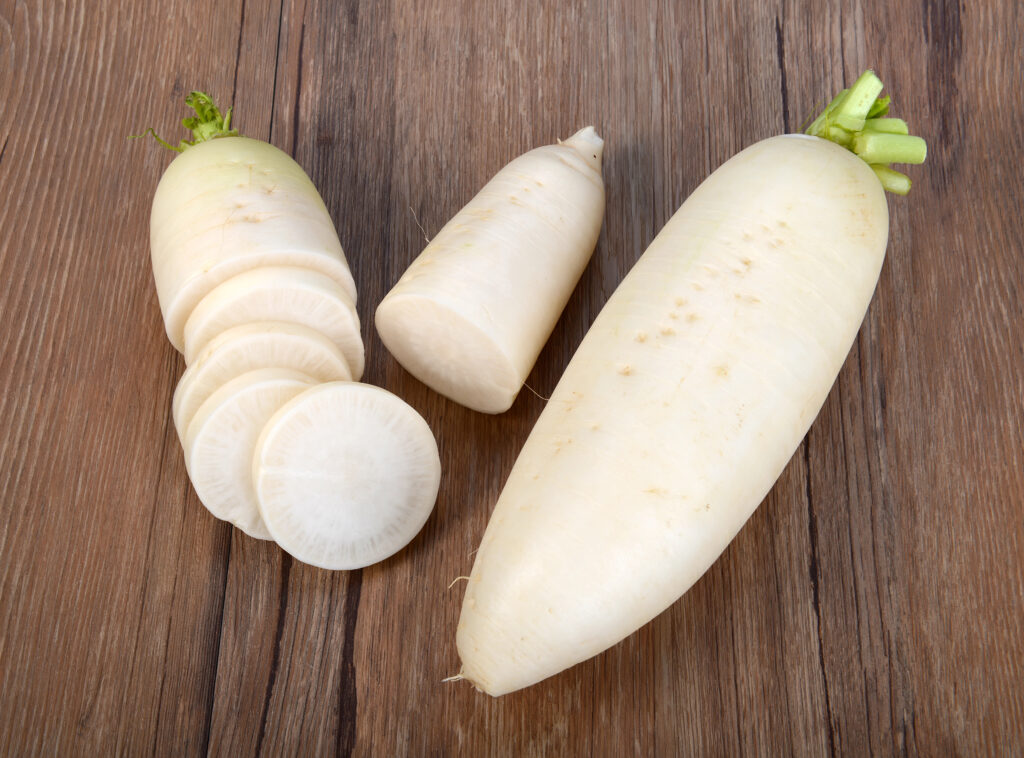
When salted and fermented they produce a delicious tangy lacto-fermented pickle; when blanched and stir-fried with katsuobushi (bonito flakes) and toasted sesame seeds, they create an amazing savory topping for rice.
The radish root itself varies in flavor from top to bottom. The top portion has a sweet, crisp texture best served raw in salads, as quick pickles, or grated as a mild condiment for tempura. The middle section softens uniformly and absorbs other flavors, making it ideal for simmered dishes such as oden and buri-daikon. The bottom tip is peppery and pungent, great grated alongside zaru-soba or grilled fish. Even the fibrous rind, sliced thin and stir-fried with sesame oil and soy sauce, makes a crunchy side dish.
The same thing applies to other vegetables.
Broccoli stalks are as sweet as the florets; the fibrous rinds from the stalks are perfect for making creamy broccoli soup. Carrot tops are great for making pesto and work as a garnish. The green tops of leeks and the outer membranes of onions can enhance stock recipes.
It wasn’t by chance that mottainai became part of Japanese culture. It is an ancient concept rooted in a worldview of respect, with a long history that predates the modern concept of sustainability. The mottainai philosophy is based on a strong belief that there is dignity in all things — including food, rocks, paper, and everything else — and that to waste anything is to disrespect it, leaving it forever incomplete.
While the Edo period may have come to an end, the mottainai philosophy continues to be passed down from one generation to the next, and the way the Japanese people think about conserving resources is reflected in their statistics. Japan has some of the lowest food waste figures in the developed world.
As grocery prices continue to rise, this philosophy has a very practical dimension as well.
According to the EPA, the average American family of four throws away $2,900 worth of food in a single year — approximately $56 per week. Food is the largest single category of material found in American landfills, with households generating the majority of the waste.
Start by shopping smaller and more frequently. Most Japanese households shop every day or two, buying only what they need for their next few meals. Rather than doing one large grocery haul each week — which leads to wilting greens and forgotten leftovers — consider switching to two or three smaller trips so you only buy what you’ll actually use before it expires.
Cook from what is in your refrigerator rather than from what sounds appealing. When I meal plan, I open the refrigerator first and then buy groceries to fill in the gaps. I plan meals based on the half cabbage, the last two carrots, and the chicken from a few days ago, then buy only what I need to complete the meal.
Treat scraps like ingredients.
I keep two bags in my freezer at all times: one for vegetable scraps like onion skins, carrot peels, mushroom stems, celery trimmings, and herb stalks; the other for chicken bones and trimmings.
Once a bag fills up, I boil the contents in a pressure cooker with water to make stock from scratch. It tastes better than store-bought and costs virtually nothing. Overripe produce can be boiled down and mixed with sugar and lemon juice to create a quick fruit preserve for yogurt or toast. Even Parmesan rinds shouldn’t go to waste — drop one into a pot of soup for extra umami, or cut into small cubes and crisp in the microwave on a paper towel for crunchy, high-protein croutons.
Buy whole vegetables rather than pre-cut ones.
Pre-cut vegetables spoil faster, cost more, and prevent you from using the stems and other parts. A whole head of broccoli has a longer shelf life than a bag of florets, and the stems are actually the sweetest part.
My mom never explained any of this to me — she just repeated one word over and over until I believed it.
You don’t need the word itself; you just need that small twitch in your heart when you see good food wasted, and the instinct to look at a pile of trimmings and think, “There’s a free pot of veggie stock.” That’s where it starts. Mottainai just gives that feeling a name.