
As a kid, my mom always wanted to pack me a healthy bento but I grew up in rural Northern California and I just wanted to fit in. It was hard being the only “weird Asian kid” at lunch who pulled out a box of rice and pickled plums while everyone else was eating their Lunchables.
So my main lunches became ham and cheese on white bread, peanut butter and jelly (still my favourite), or sometimes egg salad when I wanted something different. They were quick, easy, and very comforting — and there was no need for explanation.
When I moved to Japan, I learned that sandwiches are not just a North American food; Japan has its own sandwiched meals, including unbelievable combinations such as yakisoba pan (literally a carbfest with fried noodles stuffed into hotdog buns) and ichigo sando (whipped cream and strawberries).
Last summer, 7-Eleven even offered a chocolate mint sandwich, consisting of chocolate chip-studded peppermint cream filled between layers of cocoa-infused sandwich bread. In Japan, it seems there are no rules about what goes in a sandwich.
While most people associate Japan with sushi and kaiseki, sandwiches have a long history here. Portuguese missionaries introduced Western-style bread to Japan in the 1500s, and the popularity of Western food increased dramatically during the Meiji Restoration period (1868). The first sandwich ekiben (Japanese train station bento) was sold at Ofuna Station in Kamakura in 1899. It consisted of ham and cheese sandwiches with the crusts removed — virtually the same as what I was eating a hundred years later in the early 2000s.
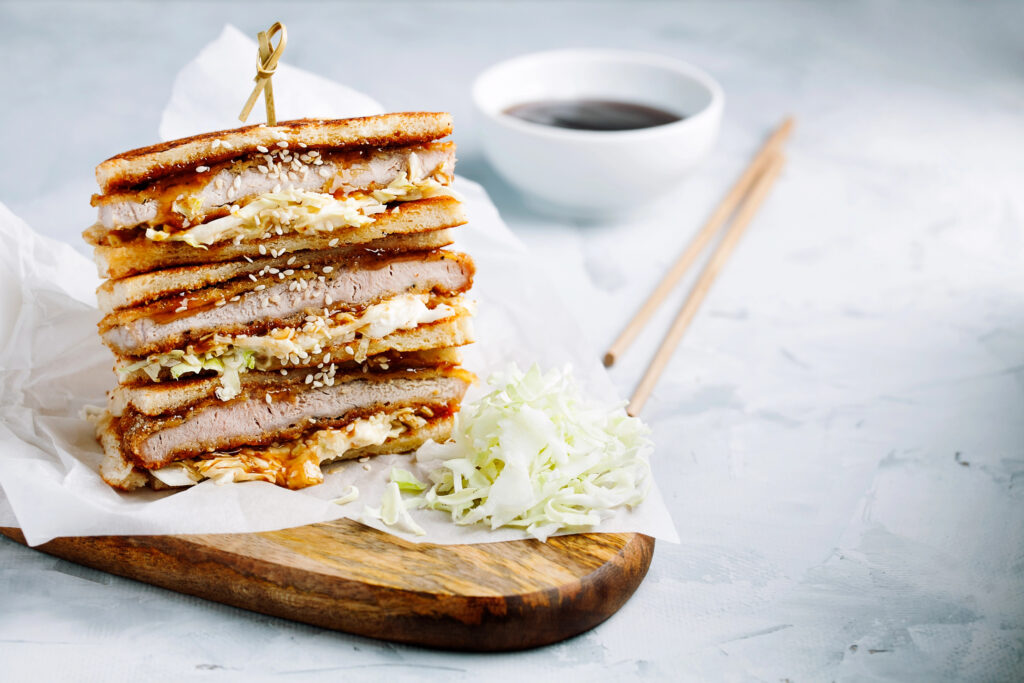
In 1935, a woman named Toki Ishizaka had the idea to put tonkatsu (fried pork cutlets) between two slices of bread at her tonkatsu restaurant in Ueno, which led to the creation of katsu sandos.
With the outbreak of World War II, progress halted temporarily, but following the war, the United States sent large amounts of wheat to Japan for humanitarian assistance.
As a result, bread became a part of school lunches in Japan, and many children grew up eating sandwiches on a daily basis. By 2011, families in Japan were spending more money on bread than rice for the first time in history. Bread had transitioned from an exotic food item to a regular staple, and sandwiches rose along with it.
So why have sandwiches become so popular in Japan?
Traditionally, the Japanese meal is centered around rice and complemented with various side dishes. The sandwich fits nicely within this meal structure and makes the entire meal portable. Historically, Japan has been very keen to adopt foods from other cultures and make them Japanese.
Some examples of this include ramen (noodles from China), curry (from India, via Britain), and tonkatsu (from European pork cutlets). Sandwiches are simply another branch of Japan’s history of culinary curiosity.
A perfect example is the egg sandwich — tamago sando. Ask anyone who has eaten one from a convenience store in Japan and they will talk about it as if it were prepared by a Michelin-starred chef.
The next evolution of this concept is the dashimaki tamago sando: an omelette made from eggs seasoned with dashi stock, which has been a typical breakfast item in Kyoto for hundreds of years, and is now served between two slices of soft, fluffy shokupan.
The melting texture and full flavor of the dashimaki tamago combined with the shokupan makes for an incredibly comforting sandwich. With over 56,000 convenience stores in Japan, it’s easy to see why there is such an abundance of variety in the sandwich section.
With the three largest convenience store chains — 7-Eleven, FamilyMart, and Lawson — competing with each other daily, each company has taken a different approach to their version of the tamago sando. There are so many flavors, from ham katsu with mustard to shrimp katsu with tartar sauce and seasonal fruit sandwiches. With something new introduced every Tuesday, limited releases sell out quickly.
Japanese chefs are taking sandwiches to new heights, especially with the katsu sando.
At convenience stores, you can pick up a katsu sando for a few dollars, but specialty shops charge hundreds for wagyu katsu sandwiches built on the same basic premise. While the formula stays consistent, the details can vary considerably: high-quality cuts of A5 wagyu, white truffle shavings, or bread sourced from the finest bakers.
While the fillings of katsu sando continue to evolve, so too does the format.
MOS Burger takes an entirely different approach by replacing traditional bread with pan-fried rice patties that encase a deep-fried fritter or fried meat. Similar variations are now available at konbini, including spam onigiri with layers of rice and a slice of spam and egg. Once the notion of bread being optional is accepted, anything that can fit between two slices will likely be incorporated into a sandwich by Japanese society.
A fruit sando consists of lightly sweet whipped cream holding together large pieces of fruit — strawberries, mangoes, peaches — served in a similar fashion to jam over peanut butter. The cross-section has the appearance of stained glass when cut in half, and has been made in Japan since the 1920s. Today the fruit sando remains one of the best-selling products at konbini.
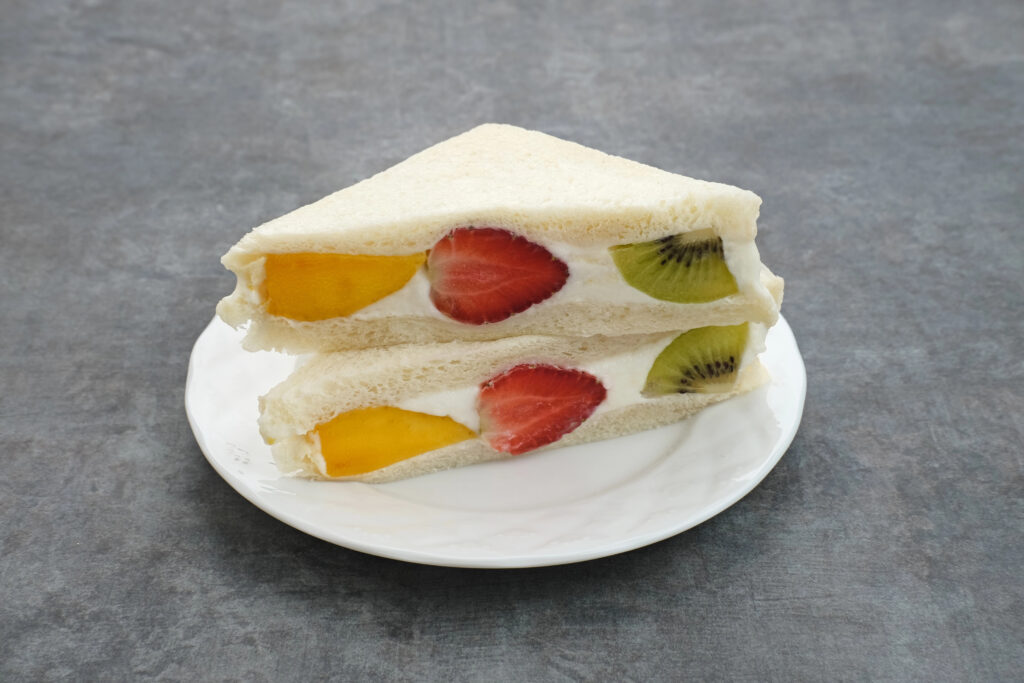
As great as peanut butter sandwiches still are, they no longer hold the same place in my meal plan as they once did. Living in Japan has changed my thinking about sandwiches entirely — now I make them with rolled omelets, fried noodles, whipped cream and fruit, and more. If it can fit between two slices of bread, the Japanese have done it and refined it.
So the next time you are preparing your lunch, don’t hesitate to push your own boundaries. What is the craziest sandwich you like to eat?